
Oil and gas operations sit at the intersection of high pressure, high temperature, flammable materials, and complex processes — a combination that leaves very little room for error. A single overlooked hazard can escalate into a process safety incident with consequences for people, assets, and the environment. This is why risk assessment UAE oil and gas operators now treat as a baseline requirement, not an optional add-on. In this article, we break down how structured HSE risk assessment protects projects across their lifecycle, why HAZOP study methodology remains central to hazard identification, and how a dedicated HSE engineering partner like Orion helps you build safety into every phase of a project.
What Is HSE Risk Assessment?
HSE (Health, Safety, and Environment) risk assessment is a systematic process of identifying hazards, evaluating the likelihood and severity of associated risks, and defining controls to eliminate or reduce them to an acceptable level. In oil and gas, this covers everything from process hazards in a refinery unit to occupational risks on a drilling rig or offshore platform.
A robust risk assessment framework typically includes:
- Hazard identification (what could go wrong)
- Risk analysis (likelihood and consequence)
- Risk evaluation (is the risk tolerable?)
- Risk control and mitigation planning
- Ongoing monitoring and review
Explore our full HSE Risk Assessment services to see how this framework is applied on real projects.
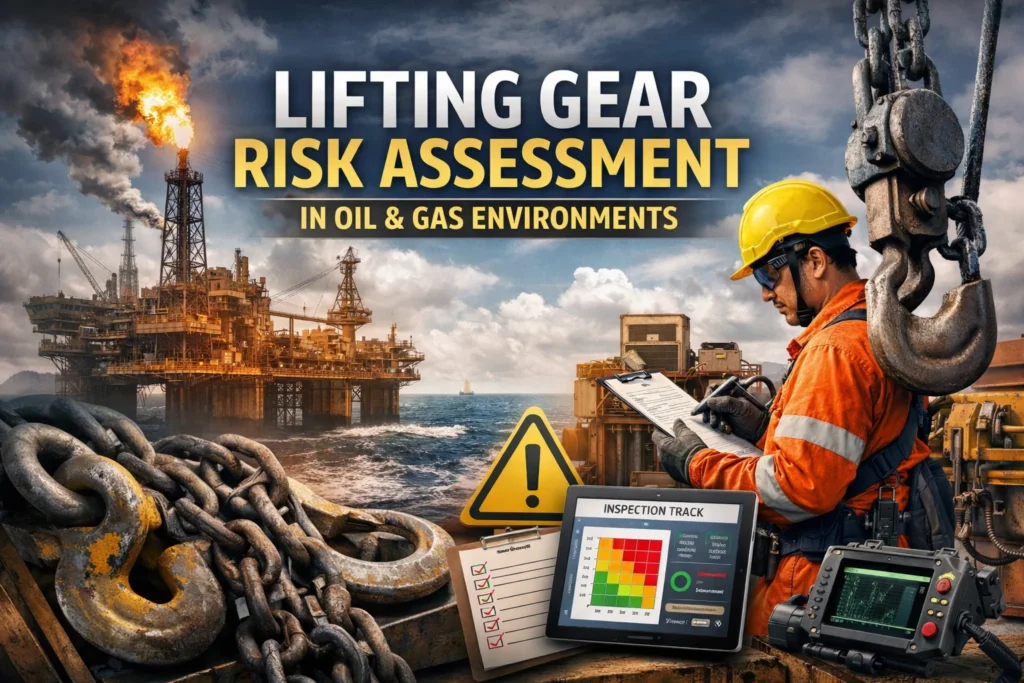
Why Risk Assessment Matters in Oil & Gas Projects
Oil and gas projects carry inherent hazards — hydrocarbon releases, fire and explosion potential, toxic gas exposure, and high-pressure system failures among them. Without a disciplined risk assessment process, these hazards can remain hidden until an incident forces them into view.
Structured HSE risk assessment delivers value across several dimensions:
- Prevents major incidents by identifying and controlling hazards before they escalate.
- Protects the workforce through clear hazard awareness and defined safe operating limits.
- Reduces project delays and cost overruns caused by late-stage safety redesigns.
- Supports regulatory compliance with UAE and international HSE standards.
- Protects company reputation and stakeholder confidence.
Projects that integrate risk assessment early, during FEED and detailed design, consistently see fewer safety-related change orders during construction and commissioning. Our HSE Engineering services are built specifically to embed this thinking from day one.
The Role of HAZOP Studies in Risk Identification
Among the many tools used in HSE risk assessment, the HAZOP study (Hazard and Operability Study) is one of the most widely applied in oil and gas process design. It’s a structured, team-based technique that systematically examines a process design or operation to identify potential deviations from intended performance and their causes and consequences.
How a HAZOP Study Works
A HAZOP study is typically conducted using process guide words (No, More, Less, Reverse, Other Than) applied against process parameters such as flow, pressure, temperature, and composition. A multidisciplinary team — including process, mechanical, instrumentation, and HSE engineers — reviews each node of the process systematically.
Key stages include:
- Defining study nodes and design intent
- Applying guide words to identify deviations
- Assessing causes, consequences, and existing safeguards
- Recommending additional safeguards where risk is not adequately controlled
- Tracking recommendations through to closure
Learn more about how we run these sessions on our dedicated HAZOP Study service page, or read our related post on Process Safety Management in Oil & Gas for a broader view of how HAZOP fits into the process safety lifecycle.
HAZOP and Broader Risk Assessment Methods
While HAZOP is central for process hazard identification, it typically works alongside other techniques:
- HIRA (Hazard Identification and Risk Assessment) for occupational and site-wide hazards — see our HIRA services
- QRA (Quantitative Risk Assessment) for numerical risk quantification on high-consequence facilities
- Fire and explosion risk studies, covered under our Fire Safety Engineering services
- Bow-tie analysis, used to visualize barriers between causes and consequences
Together, these methods build a layered defense — no single study captures every risk on its own.
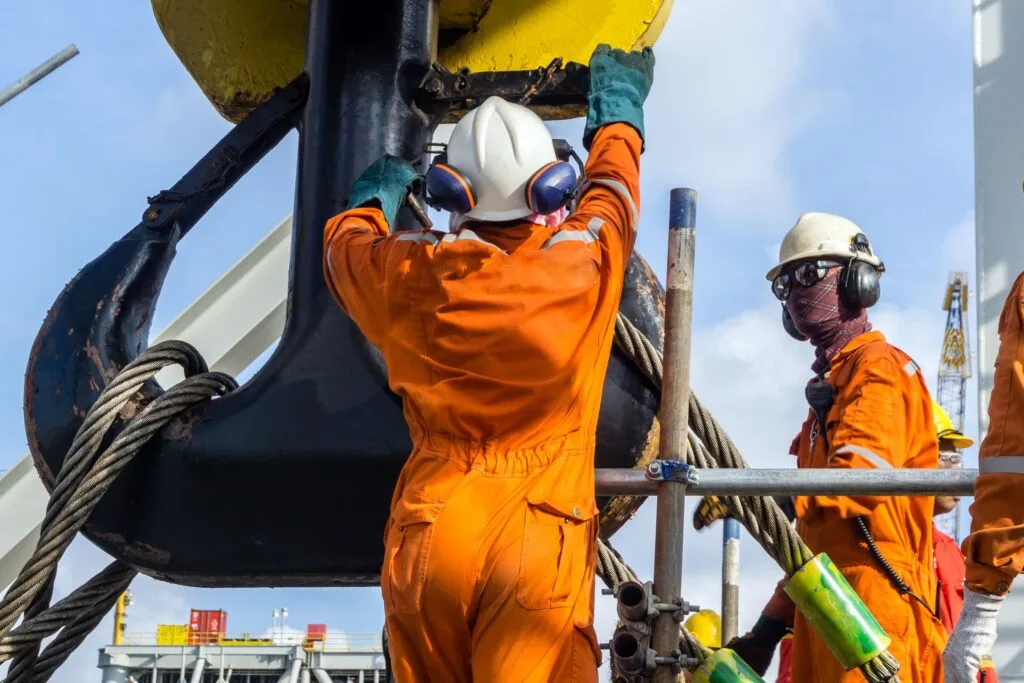
Key Components of HSE Engineering Across the Project Lifecycle
HSE engineering is broader than any single study. It’s the discipline of embedding safety, health, and environmental thinking into engineering decisions from concept through decommissioning. Across a typical oil and gas project, this includes:
- Concept and FEED stage: preliminary hazard analysis, site selection risk review, regulatory scoping
- Detailed design: HAZOP studies, SIL (Safety Integrity Level) assessments, fire and gas mapping, emergency response planning
- Construction: safety case development, permit-to-work systems, contractor HSE audits
- Commissioning and start-up: pre-startup safety reviews, operational readiness assessments
- Operations: periodic HSE audits, incident investigation, management of change (MOC) processes
Our Emergency Response Planning services and HSE Audit services support the later stages of this lifecycle, ensuring risk controls identified during design are actually functioning in the field.
Regulatory Landscape: Risk Assessment in the UAE Oil & Gas Sector
Operators in the UAE work within a robust regulatory environment shaped by federal occupational safety requirements, emirate-level frameworks such as the Abu Dhabi EHSMS (Environment, Health and Safety Management System), and company-specific HSE codes of practice used by major operators. These frameworks are generally aligned with recognized international standards, including ISO 45001 for occupational health and safety management systems and process safety guidance referenced by bodies such as OSHA’s Process Safety Management standard.
For projects operating in the UAE, this means risk assessment isn’t just good practice — it’s a documented, auditable requirement woven into permitting, contractor prequalification, and ongoing operational compliance. Partnering with a firm experienced in local regulatory expectations reduces the risk of compliance gaps surfacing during audits or incident investigations. Our Regulatory Compliance & Permitting services help clients navigate this landscape with confidence.
Orion’s Approach to HSE Risk Assessment
At Orion, we combine international best practice with deep familiarity with UAE regulatory requirements to deliver risk assessments that are both technically rigorous and practically actionable. Our approach typically includes:
- Multidisciplinary HAZOP and HIRA facilitation led by chartered HSE engineers
- Site-specific risk registers with clearly assigned action owners
- Integration of findings into design, construction, and operational documentation
- Ongoing support through commissioning and operational audits
Whether you’re starting a new facility, modifying an existing process, or preparing for a regulatory audit, our HSE Consultancy services are designed to fit into your project timeline without becoming a bottleneck. You can also browse our related insights on Building an Effective HSE Audit Program and Understanding Process Safety in Oil & Gas Facilities for further context.
Benefits of Partnering with Orion for HSE Engineering
- Local expertise: UAE-based team fluent in emirate-level and federal HSE requirements
- Proven methodology: internationally recognized HAZOP, HIRA, and QRA frameworks
- Cross-project experience: onshore, offshore, refining, and midstream projects
- Actionable outputs: risk registers and recommendations your team can implement, not just paperwork for a file
- Continuity: support from concept design through operational audits, not a one-off engagement
Conclusion
HSE risk assessment isn’t a compliance checkbox — it’s the backbone of safe, efficient, and resilient oil and gas operations. From HAZOP studies that surface process hazards during design, to broader HSE engineering that carries safety thinking through construction and operations, a disciplined risk assessment program protects your people, your assets, and your project timeline. For operators and EPC contractors working in the UAE, getting this right also means staying ahead of a demanding regulatory environment.
If your project needs a HAZOP study, a full HSE risk assessment, or ongoing HSE engineering support, our team at Orion is ready to help you build safety into every stage of your project.
Contact Orion to discuss your project’s HSE requirements, or Request a Quote to get started today.