
Every process plant runs on data. Temperature and pressure gauges tell you what’s happening physically, but they can’t tell you what’s actually in the pipe. That’s the job of industrial analyzer systems — the instrumentation that measures the chemical composition and properties of gases, liquids, and process streams in real time, so operators can control quality, protect equipment, and keep people safe.
If you’ve ever wondered how a refinery knows its emissions are within permit limits, or how a chemical plant catches a contaminated batch before it ships, the answer is almost always an analyzer system working quietly in the background. This guide breaks down what these systems are, how they work, and why getting the design and maintenance right matters as much as the analyzer itself.
Defining Industrial Analyzer Systems
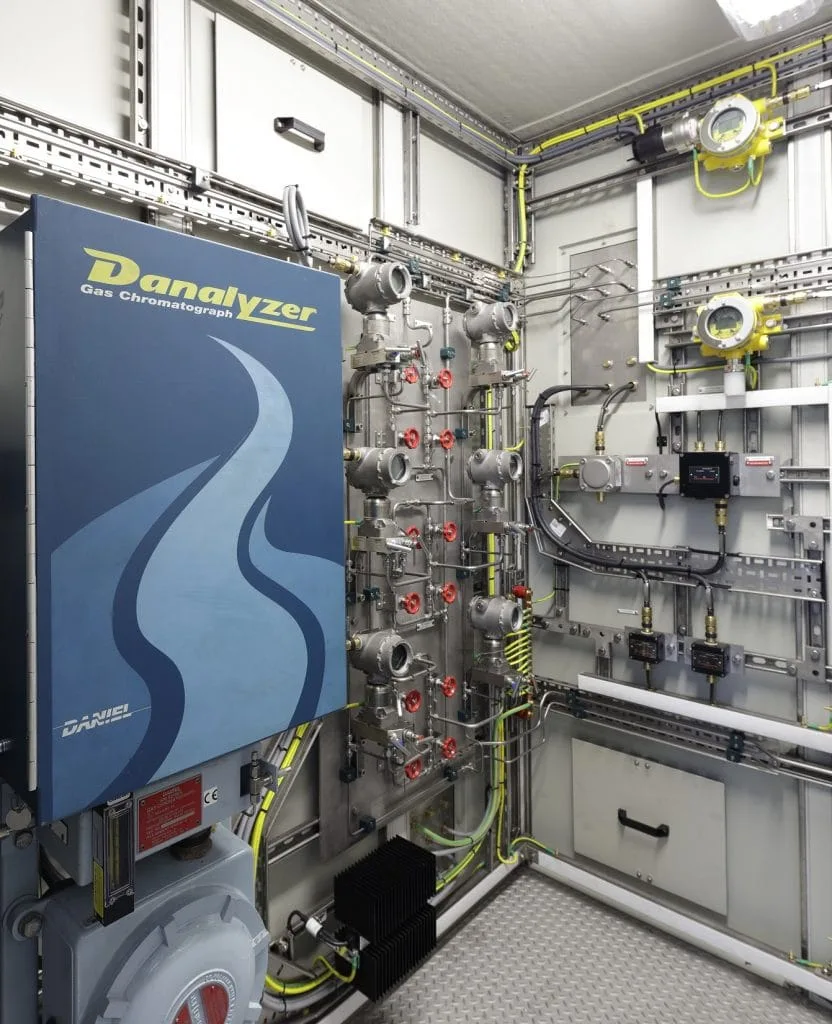
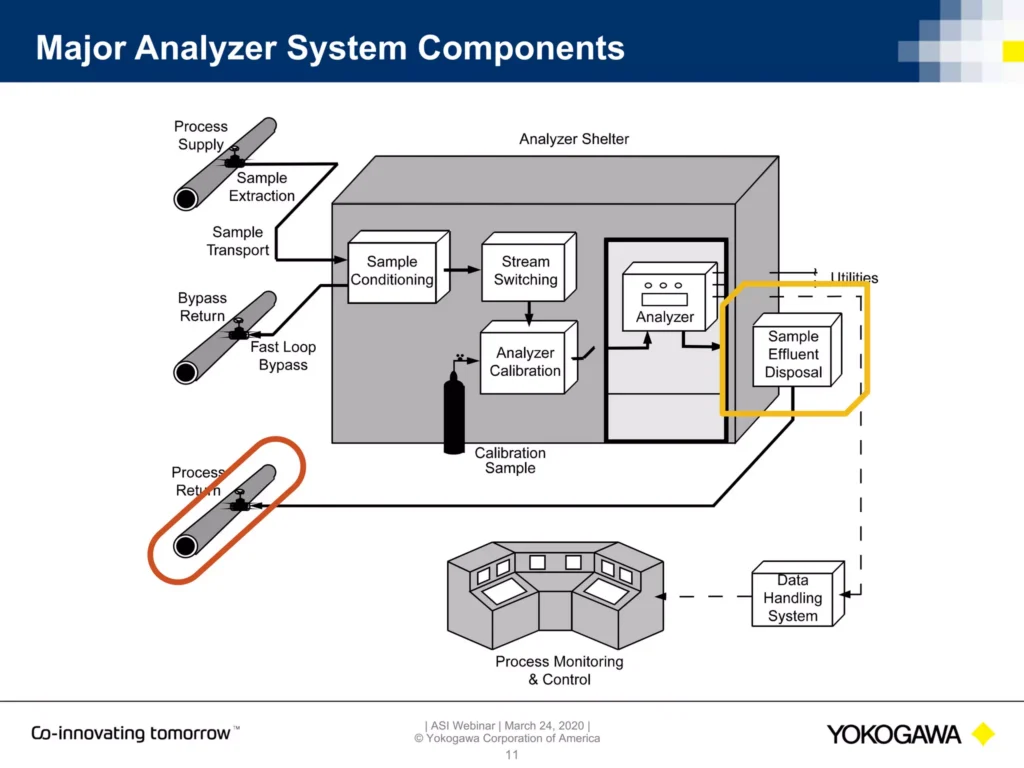
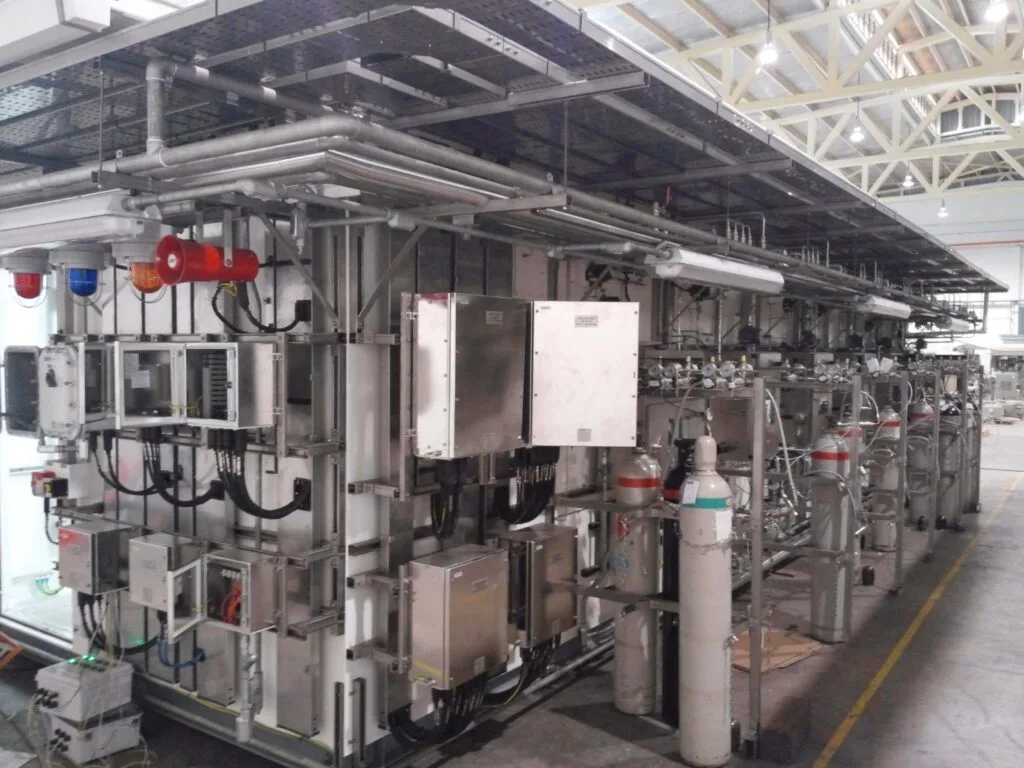
An industrial analyzer system is a complete measurement package — not just the analyzer instrument itself. It typically includes:
- The analyzer (gas chromatograph, mass spectrometer, infrared analyzer, pH meter, moisture analyzer, etc.)
- A sample conditioning system that extracts, filters, cools, and prepares a representative sample before it reaches the analyzer
- Sample transport lines (tubing, heat tracing, insulation) that carry the sample without altering it
- Enclosures or analyzer shelters that protect sensitive electronics from weather, vibration, and hazardous area conditions
- Control and communication hardware that feeds readings into the plant’s DCS or SCADA system
When people talk about “the analyzer,” they’re often really talking about this whole chain. And that distinction matters, because most analyzer performance problems don’t come from the analyzer failing — they come from a poorly designed sample conditioning system feeding it bad data.
If you’re evaluating a project, it helps to start with our overview of process analyzer systems to see how the full package fits together before specifying individual components.
Why Process Analyzers Matter
Industrial analyzer systems, often called process analyzers or online analyzers, exist to answer one question continuously: what is actually in this stream right now? That’s a very different job from a lab test, which tells you what was in a sample taken twenty minutes ago.
Real-time measurement lets operators:
- Catch quality deviations before they become off-spec product. A gas analyzer flagging a shift in composition can trigger a control loop adjustment in seconds, not after a batch is already ruined.
- Meet environmental and safety compliance. Continuous emissions monitoring systems (CEMS) are often a regulatory requirement, not an option, for facilities with stack emissions.
- Protect downstream equipment. Moisture or contaminant analyzers upstream of compressors, turbines, or catalytic reactors prevent damage that would otherwise cost far more than the analyzer itself.
- Improve yield and reduce waste. Tighter process control, driven by accurate composition data, means less over-processing and fewer reworked batches.
This real-time feedback loop is the foundation of what’s known as Process Analytical Technology (PAT) — a framework, especially common in pharmaceutical and specialty chemical manufacturing, for designing, analyzing, and controlling processes through timely measurement rather than relying solely on end-of-line testing.
Common Types of Industrial Analyzers
Not every analyzer measures the same thing, and choosing the right technology is one of the most important decisions in system design. Some of the most common types include:
Gas analyzers measure the composition of gas streams — oxygen, carbon monoxide, hydrocarbons, hydrogen sulfide, and more. These are essential in combustion monitoring, emissions compliance, and safety systems.
Liquid analyzers track properties like pH, conductivity, dissolved oxygen, turbidity, and specific chemical concentrations in liquid streams. Water treatment, food and beverage, and chemical processing all depend heavily on these.
Gas chromatographs (GCs) separate and quantify individual components in a complex mixture, commonly used for natural gas custody transfer, refinery blending, and petrochemical quality control.
Moisture analyzers detect trace water content in gases and liquids, protecting equipment and product quality in industries from natural gas processing to pharmaceuticals.
Continuous emissions monitoring systems (CEMS) are purpose-built analyzer packages designed specifically to satisfy environmental reporting requirements for stack and flare emissions.
Each of these technologies has different sampling, calibration, and maintenance requirements, which is why analyzer selection should always be paired with an engineering review of the application. Our team’s guide to choosing the right process analyzer walks through that selection process in more detail.
How Sample Conditioning Systems Make or Break Performance
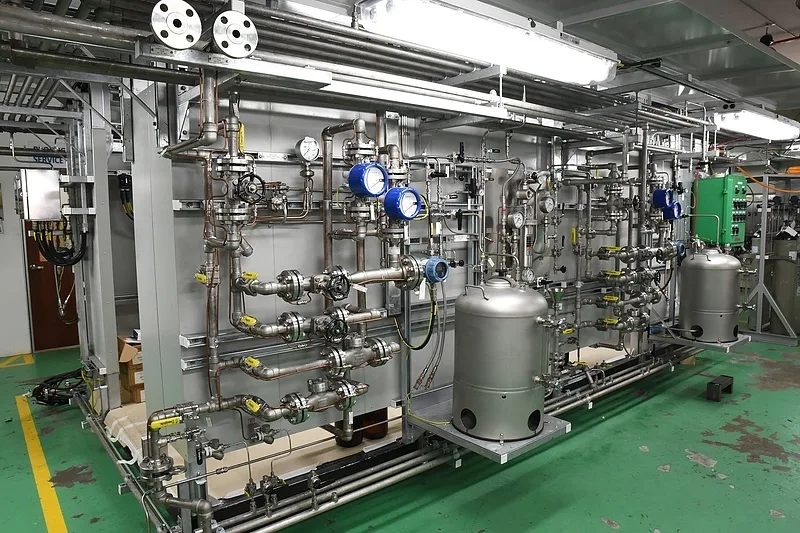
It’s worth spending extra time on this because it’s the part most often underestimated. An analyzer can only be as good as the sample it receives. Raw process streams are frequently too hot, too pressurized, too dirty, or too wet for an analyzer to handle directly.
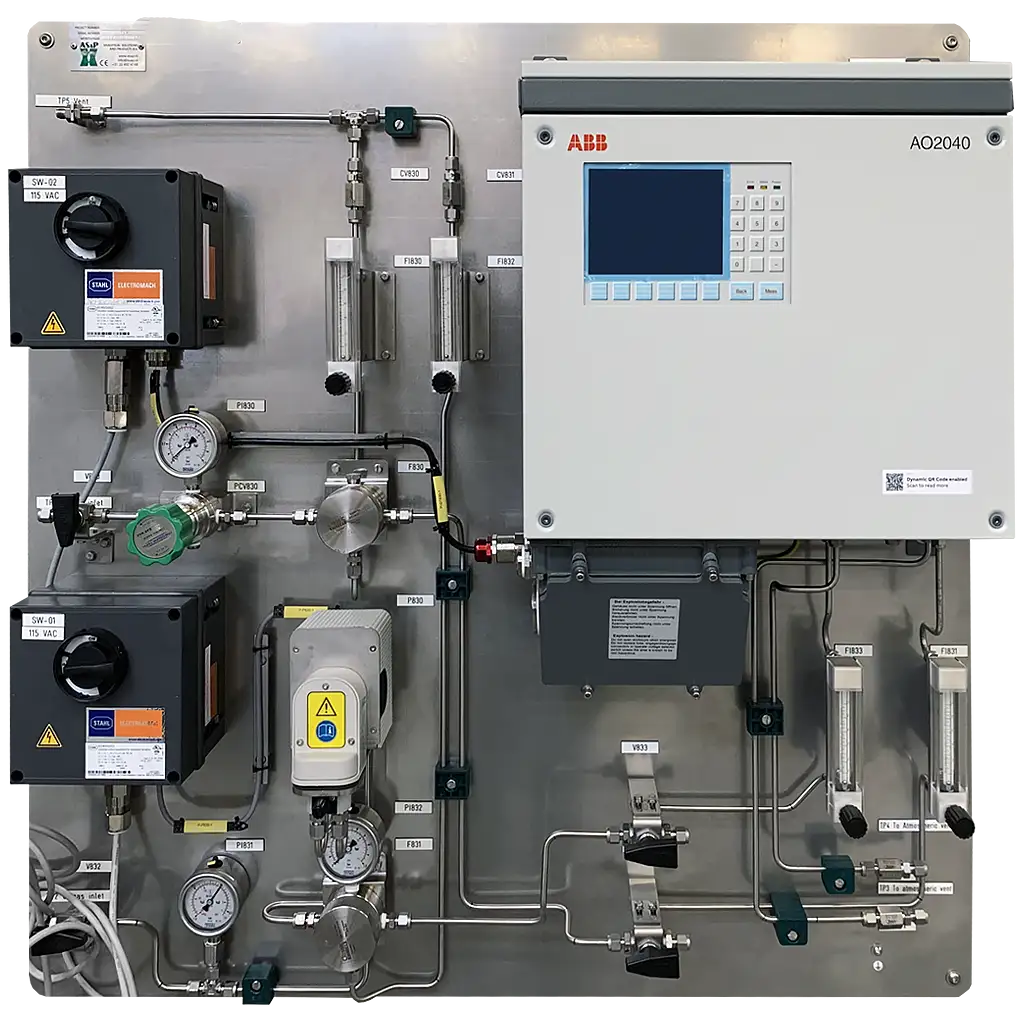
A sample conditioning system’s job is to take a representative extract of the process stream and transform it into something the analyzer can safely and accurately measure — without changing its composition along the way. That typically means:
- Filtering out particulates and liquid carryover
- Reducing pressure to a safe, stable level
- Cooling or heating the sample to the analyzer’s required temperature range
- Removing condensable components that could bias the reading
A poorly designed sample system introduces lag, contamination, or outright measurement drift — all of which show up as an “analyzer problem” even though the analyzer itself is working exactly as designed. This is one of the most common root causes we diagnose during analyzer troubleshooting and optimization calls.
Where Industrial Analyzer Systems Are Used
These systems show up across nearly every process industry, including:
- Oil and gas — wellhead gas quality, pipeline custody transfer, refinery process control, flare and stack emissions
- Chemical and petrochemical manufacturing — reactor feed and product monitoring, quality assurance, effluent compliance
- Power generation — combustion optimization, emissions monitoring, boiler water chemistry
- Water and wastewater treatment — chlorine residual, turbidity, nutrient monitoring
- Pharmaceutical and food production — in-line quality control tied to PAT initiatives
Because the operating conditions and regulatory requirements vary so much between these industries, analyzer systems are rarely off-the-shelf. Most facilities need a design that’s engineered around their specific stream chemistry, hazardous area classification, and site conditions.
Design, Integration, and Fabrication Considerations
Specifying an industrial analyzer system involves more than picking an instrument off a spec sheet. Key design considerations include:
- Hazardous area classification — analyzer shelters and enclosures must meet the electrical classification of the installation area
- Sample transport time — longer sample lines mean slower response; minimizing lag is critical for fast-changing processes
- Redundancy and reliability — critical safety or custody-transfer applications often require backup analyzers or validation loops
- Calibration access — technicians need safe, practical access for routine calibration gas changeouts and maintenance
- Environmental protection — shelters need adequate heating, cooling, and ventilation to keep both the analyzer and sample system within operating tolerances
Getting these details right during the design phase avoids costly rework later. Our analyzer system integration team handles this end-to-end, from process engineering through fabrication and commissioning.
Installation, Calibration, and Ongoing Maintenance
An analyzer system’s accuracy doesn’t stop mattering once it’s installed. These systems require ongoing attention:
- Routine calibration against certified reference gases or standards to catch drift before it affects readings
- Preventive maintenance on filters, regulators, and sample lines to prevent fouling or leaks
- Periodic validation to confirm the system still reflects the true process condition, not just a self-consistent but incorrect one
- Spare parts planning so a failed component doesn’t take a critical analyzer offline for weeks
Facilities that treat analyzer maintenance as a scheduled discipline — rather than a reactive fix — consistently see fewer compliance issues and less unplanned downtime. If your current maintenance program feels more reactive than planned, it may be worth a review through our analyzer maintenance services.
Common Challenges With Industrial Analyzer Systems
Even well-designed systems run into recurring issues:
- Sample line plugging or freezing, especially in outdoor installations with inadequate heat tracing
- Calibration drift from aging sensors or contaminated reference gases
- Response lag caused by oversized sample lines or dead legs in the piping
- Nuisance alarms from poorly tuned validation logic, which can erode operator trust in the system over time
Most of these issues trace back to design decisions made early in the project, which is why an experienced integration partner matters as much as the analyzer brand itself.
Choosing the Right Analyzer System Partner
Because industrial analyzer systems sit at the intersection of process engineering, instrumentation, and fabrication, the strongest results come from a partner who can handle the full scope — not just supply an instrument. Look for a team that can:
- Evaluate your process conditions and recommend the right analyzer technology
- Design and fabricate a sample conditioning system matched to your stream
- Integrate the system with your existing control architecture
- Support commissioning, calibration, and long-term maintenance
That combination is what keeps an analyzer system accurate for years rather than months.
Talk to Orion About Your Analyzer System
Whether you’re specifying a new system, troubleshooting persistent measurement issues, or planning a maintenance program for existing analyzers, Orion’s engineering team can help you get accurate, reliable data out of your process. Contact Orion to talk through your application, or request a quote for a new or upgraded analyzer system.