
Every maintenance manager has faced this decision at some point: a critical machine goes down, and the replacement part needed is either a genuine OEM spare part or a lower-cost OEM-equivalent alternative. The choice feels simple on the surface — but it carries real consequences for uptime, safety, and long-term cost of ownership.
For industries that depend on continuous operations, working with a reliable industrial spare parts supplier is just as important as the part itself. This guide breaks down the difference between OEM and OEM-equivalent components, when each makes sense, and how to build a sourcing strategy that protects your equipment and your bottom line.
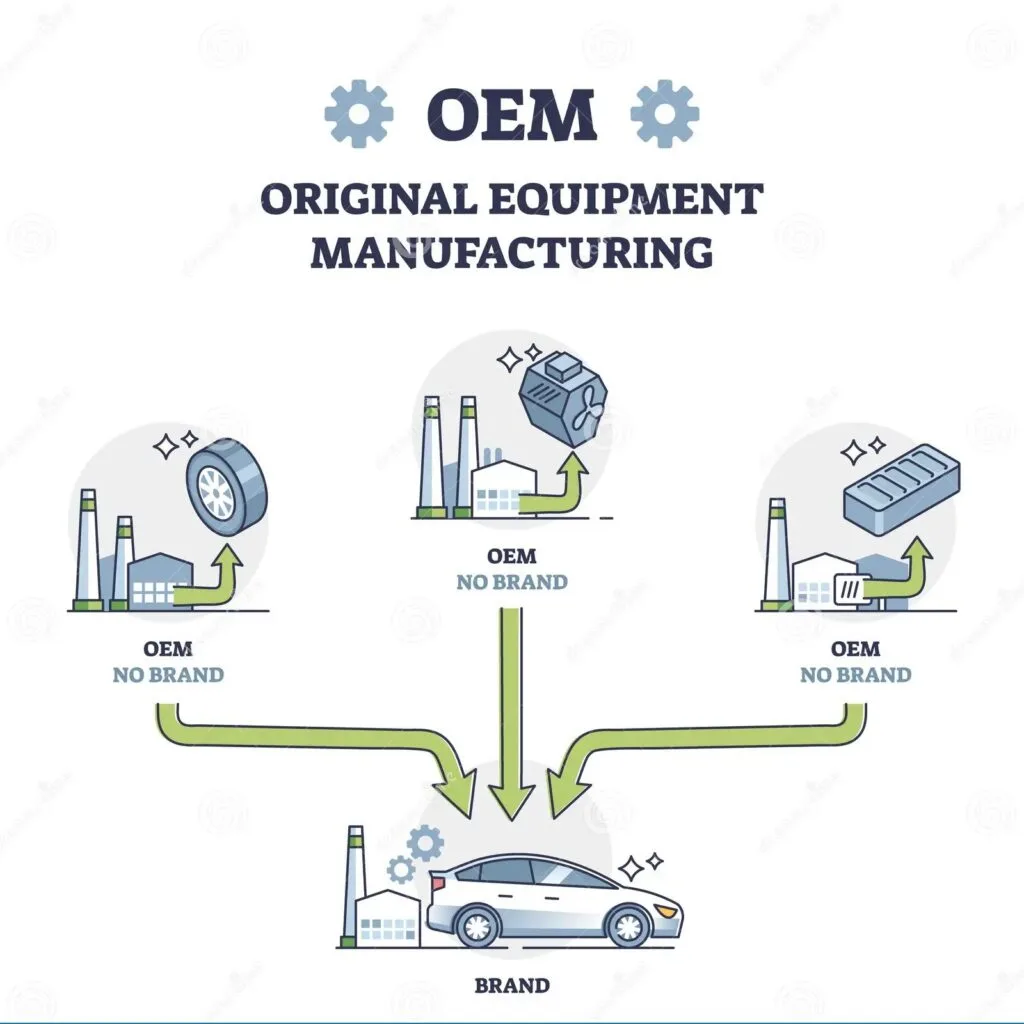
What Are OEM Spare Parts?
OEM stands for Original Equipment Manufacturer. OEM spare parts are components produced either by the same company that manufactured the original machine, or by an authorized supplier working to that manufacturer’s exact specifications, tolerances, and materials.
Key characteristics of genuine OEM parts include:
- Manufactured to the original design drawings and material specifications
- Backed by manufacturer warranties
- Traceable through an authorized supply chain
- Tested against the equipment’s original performance standards
Because they are built to match the original equipment precisely, OEM parts are generally considered the safest choice when fit, certification, or warranty compliance is non-negotiable.
What Are OEM-Equivalent Spare Parts?
OEM-equivalent parts (sometimes called aftermarket or compatible parts) are manufactured by third-party companies rather than the original brand. They are designed to match the form, fit, and function of the OEM part, but are produced independently, often at a lower cost.
Reputable OEM-equivalent manufacturers use reverse engineering, precision measurement, and material testing to replicate performance closely. However, quality can vary significantly between suppliers, which is why sourcing through a vetted industrial spare parts supplier matters more with this category than with genuine OEM components.
Common Reasons Industries Consider OEM-Equivalent Parts
- Lower unit cost, especially for high-volume consumable parts
- Shorter lead times when OEM parts face long backorders
- Availability for legacy or discontinued equipment no longer supported by the original manufacturer
- Competitive alternatives for non-critical, low-risk components
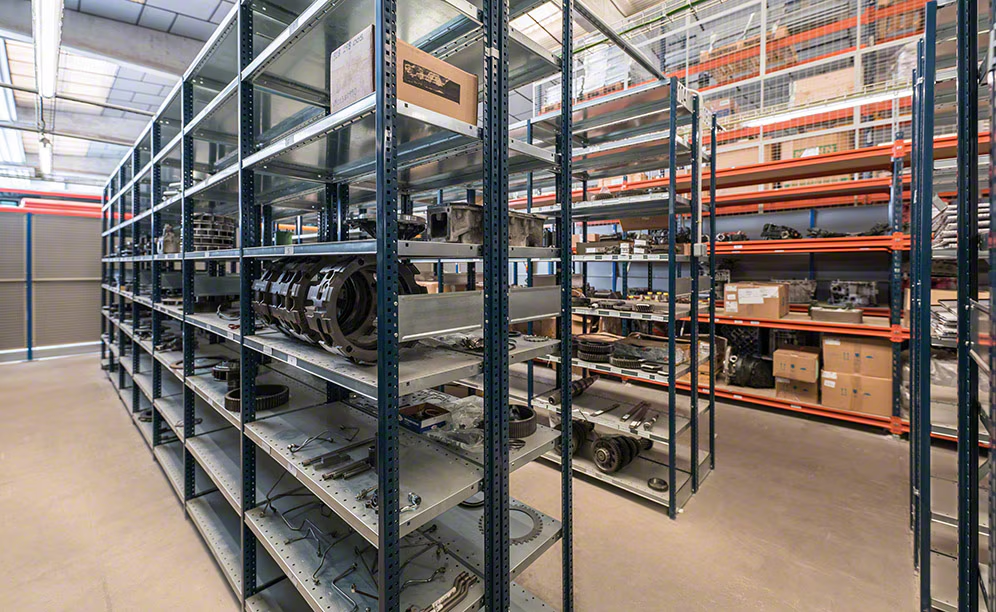
OEM vs OEM-Equivalent: Key Comparison Factors
1. Quality and Precision
OEM parts carry the assurance of the original design and manufacturing process. OEM-equivalent parts can match this quality, but only when the supplier follows rigorous engineering and testing standards, such as those outlined by ISO 9001 quality management requirements. Without this discipline, tolerance mismatches can lead to premature wear or failure.
2. Cost Considerations
OEM-equivalent parts typically cost 20–50% less than genuine OEM components. For high-consumption items like seals, filters, and bearings, this difference adds up quickly across a large facility or fleet. However, cost savings should always be weighed against the risk of reduced service life or compatibility issues.
3. Lead Time and Availability
OEM parts, particularly for older or specialized machinery, can involve long procurement cycles. OEM-equivalent options are often more readily available, which matters when unplanned downtime is costing production hours.
4. Warranty and Liability
Using non-OEM parts on equipment still under an active manufacturer warranty can, in some cases, void that warranty. It’s essential to review equipment warranty terms and, where relevant, safety or compliance standards such as those published by ANSI before substituting parts on critical or regulated machinery.
5. Application Criticality
The right choice often comes down to how critical the part is:
- High-risk, safety-critical, or warranty-covered components → OEM is usually the safer choice.
- Non-critical, high-turnover, or legacy components → OEM-equivalent can offer solid value without compromising operations.
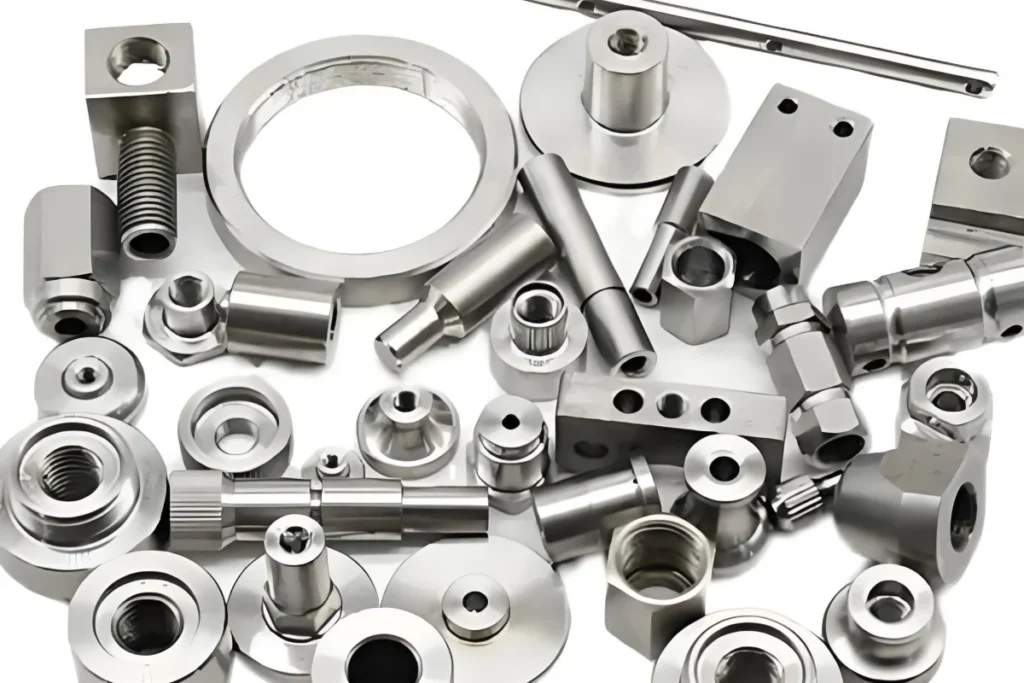
How to Decide: A Practical Framework
Rather than choosing one option across the board, most well-run maintenance operations use a hybrid sourcing strategy. Consider these questions for each part category:
- Is the part safety-critical or subject to regulatory compliance? If yes, lean OEM.
- Is the original equipment still under warranty? If yes, confirm OEM requirements before substituting.
- Is the part high-volume and low-risk (filters, gaskets, fasteners)? OEM-equivalent can reduce costs without meaningful risk.
- Is the OEM part discontinued or on long lead time? A vetted OEM-equivalent may be the only practical option.
- Does the supplier provide traceability and testing documentation? This should be a requirement regardless of which category you choose.
This last point is where the value of a trusted industrial spare parts supplier becomes clear. A knowledgeable sourcing partner can help classify parts by risk level, identify qualified OEM-equivalent manufacturers, and maintain documentation for audits and compliance reviews.
The Role of a Trusted Sourcing Partner
Whether you choose OEM or OEM-equivalent parts, the supplier behind the transaction matters enormously. A reliable partner will:
- Verify part authenticity and manufacturing origin
- Provide material certifications and test reports on request
- Offer transparent lead times and inventory visibility
- Support both OEM and qualified equivalent options based on your risk tolerance
This is exactly the kind of sourcing support our team provides. Explore our full range of industrial spare parts sourcing services to see how we help maintenance and procurement teams reduce downtime while managing cost.
Conclusion
There’s no universal right answer in the OEM vs OEM-equivalent debate — the best choice depends on the criticality of the part, warranty obligations, budget constraints, and lead-time pressure. What matters most is partnering with a spare parts supplier who understands these trade-offs and can guide you toward the right decision for each specific application.
By combining OEM parts for critical, high-risk components with carefully vetted OEM-equivalent parts for lower-risk, high-turnover items, industries can strike a balance between reliability and cost efficiency.
Ready to Build a Smarter Spare Parts Strategy?
Our sourcing specialists can help you evaluate your current spare parts inventory, identify cost-saving opportunities, and ensure every critical component meets the right quality standard. Contact our team today to discuss your OEM and industrial spare parts sourcing needs.